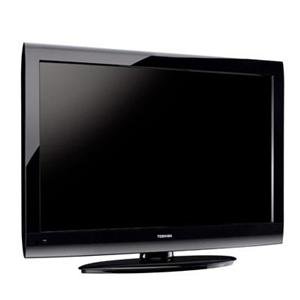
LCD stands for Liquid Crystal Display. This type of TV gives wonderful clarity and high brightness and contrast levels. They are slim, elegantly designed and awesome to look; they definitely décor the home interiors.
Taking care of LCD TVs is a very important aspect. Since they are also expensive when compared to the CRT TVs, they have to be taken special care, in order to keep it cost effective and economical. There are various factors that determine the care of it like the humidity or the temperature of the place, other environmental conditions, the way the TV is handled and used etc. It is an electronic equipment which is very sensitive in nature, and so few things have to be taken care of.
The first and foremost thing to remember is that the TV should be used at room humidity and temperature for it to perform well. If the TV is used in high temperatures or humidity, then the performance can be highly affected. When the temperature is less than 10oC, then it should not be used, as it can cause the brightness levels to reduce, thus decreasing the performance. Also, exposing the TV to a drastic difference in temperatures can also affect the polarizers' performance. For example, if the TV is exposed to a drastic change in the temperature from cold to hot, if might form dew drops to get accumulated over the TV which can prove hazardous to the polarizers' life.
The environmental factors also have to be considered while having an LCD TV. It is always recommended to keep the TV in a clean and dry place, away from dust and other liquids. When the TV comes in contact with excess dust, it can result in the malfunctioning of the electrical parts inside the TV due to electrical shorts. Also, if the TV is exposed to liquid or humidity, the polarizer can get discoloured, resulting in the TV not functioning properly. Liquids or humidity should also not be allowed to enter inside the TV, in order to prevent corrosion of the inner parts.
Since the TV is made up of glass, it is important to see that care is taken while handling it. Also it should not be exposed to shocks or vibrations, as this could affect the performance of the TV. The outer surface of an LCD TV is made up of soft material and so it is important not to use any sharp articles near it. Since it s made of glass, strong vibrations or shocks should not be given to it, as the glass can be broken if something like that happens. Also it should not be bent or dropped from a high altitude.
Before handling it, care should be taken to first ground it by ESD protection devices and also use soft things like gloves, as there are many sensitive parts inside and it would also prevent damaging of the screen. Care should also be taken while cleaning the LCD, as it should be cleaned preferably with Hexane or IPA, as otherwise the polarizer can be affected.
Also a very important thing to be noticed is that these TVs should never be re-assembled without the proper guidance of a qualified operator, as the original performance and charm of the TV can be destroyed, if handled by an amateur. Also the screen should be turned off when not in use or a screen saver that changes frequently should be used. If the same picture is left for long, then the brightness of the TV can get reduced and can also result in sticking of the images on the screen.
An LCD TV is an owners' pride and it is an ecstasy to watch favourite TV shows and movies in an LCD. With just little care while handling the TV, it can give many advantages and lots of fun to its owner.